
NAVY HISTORY - SHIPS - Motor Torpedo Boats


 - Copy.jpg)

.gif) RCN MTB FLOTILLAS
RCN MTB FLOTILLAS 
29th Flotilla
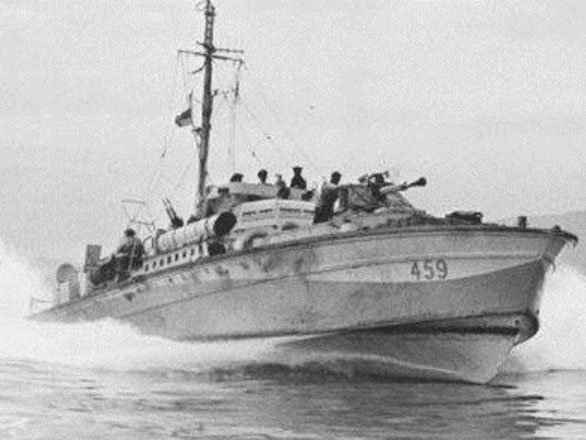
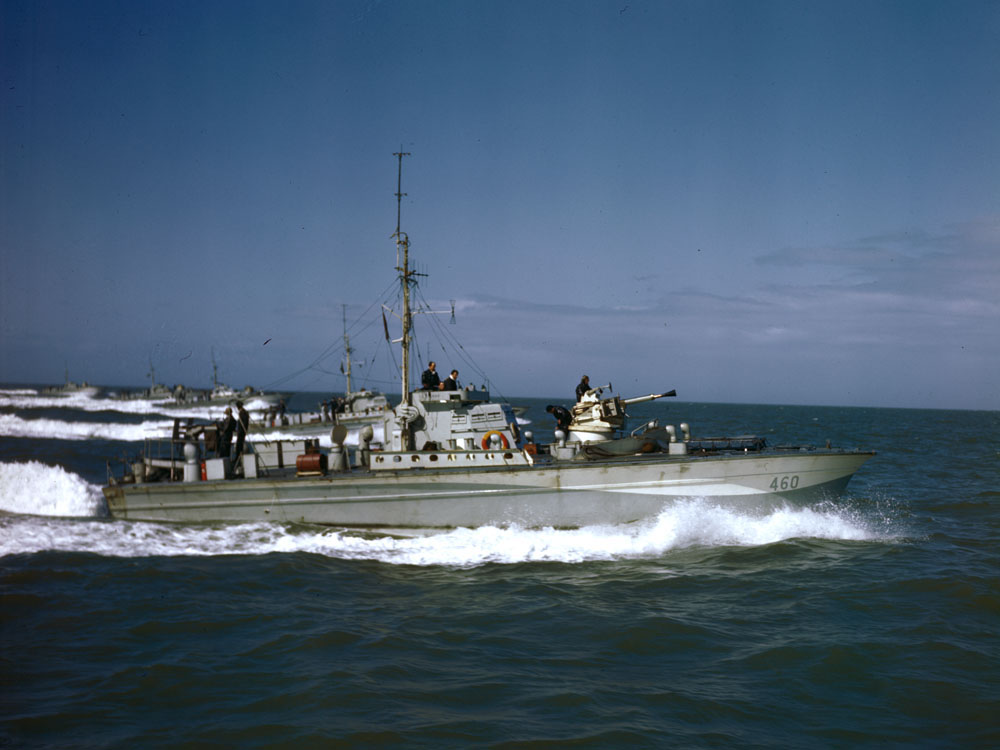
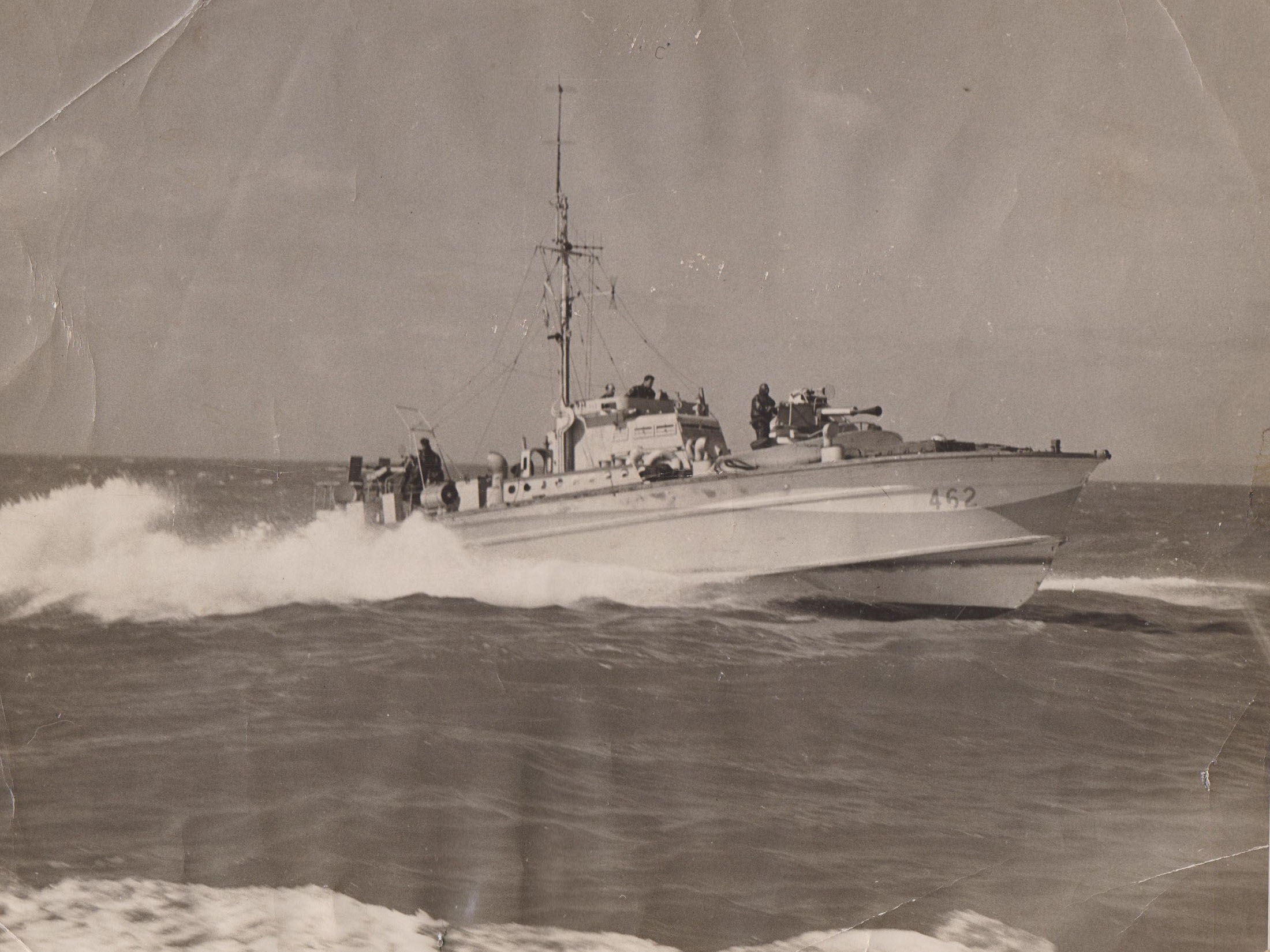
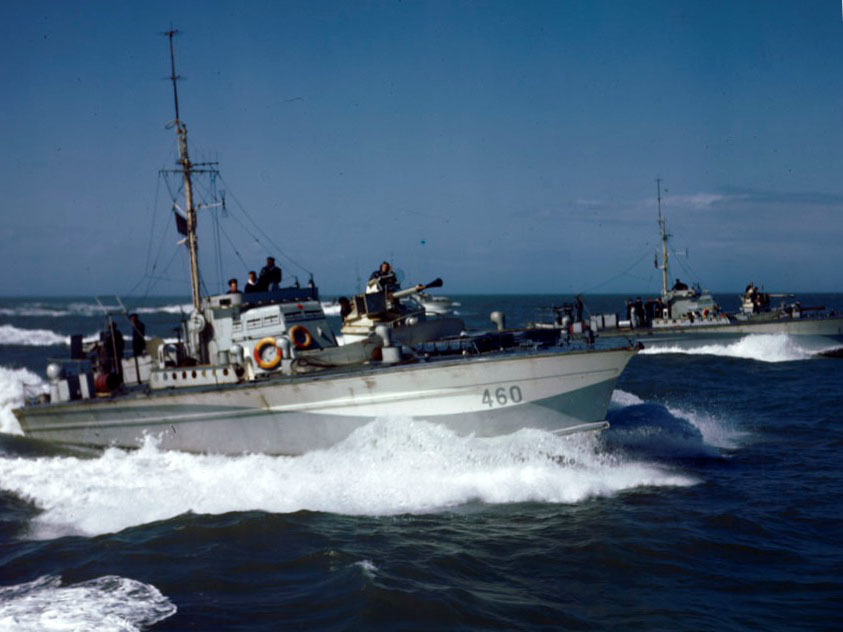
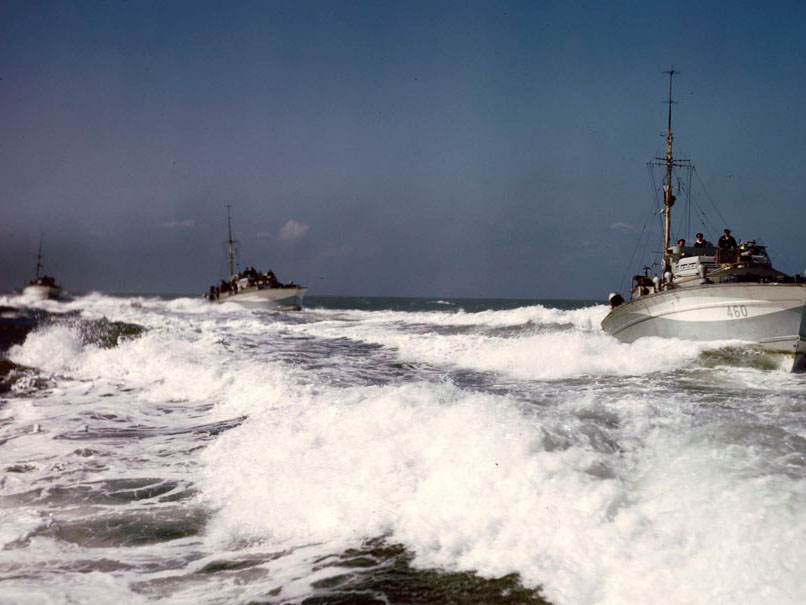
The Royal Canadian Navy (RCN) operated Motor Torpedo Boats (MTBs) during World War II as part of Flotilla 29th. These small, fast boats were used for a variety of tasks, including patrolling, convoy escorts, and attacking enemy ships and submarines. The RCN's MTBs were based out of various ports in Canada and the United Kingdom, and saw action in the Atlantic and Mediterranean theaters of the war. They were manned by Canadian sailors and officers, who served with distinction and made a significant contribution to the war effort.
During 1944 and 1945, the Royal Canadian Navy's Motor Torpedo Boats (MTBs) of Flotilla 29th were primarily based out of Portsmouth, England, and were tasked with patrolling and defending the English Channel as part of the larger Allied effort to secure the waters around the United Kingdom. In the English Channel, the MTBs of Flotilla 29th were responsible for carrying out a number of different types of operations. One of their primary tasks was to provide convoy escorts, protecting merchant ships as they traveled to and from ports in the Channel. The MTBs also conducted anti-submarine patrols, searching for and attacking German submarines that were operating in the area. In addition, they were used to attack German coastal convoys, as well as larger surface ships such as destroyers and minesweepers. The MTBs of Flotilla 29th also played a key role in the Normandy invasion in June 1944, known as Operation Overlord. Prior to the invasion, the MTBs were used to lay smoke screens to conceal the movement of Allied ships, and also to attack German coastal defenses and naval vessels in the area. After the invasion, the MTBs were used to patrol the waters around the beachhead, providing protection for the troops and supplies being landed on the beaches. Overall, the MTBs of Flotilla 29th were highly effective during their operations in the English Channel in 1944 and 1945. They were fast, maneuverable boats that could operate in a wide range of weather conditions and sea states, making them well-suited to the demands of their missions. The Canadian sailors and officers who manned the MTBs served with distinction and courage, and their contributions to the war effort were significant.
The Royal Canadian Navy's Motor Torpedo Boats (MTBs) of Flotilla 29th were made up of several different types of ships. Some of the ships that were assigned to the flotilla during World War II include: MTB 71-73: These were British-built Vosper MTBs that were transferred to the RCN in 1941. They were fast and well-armed, and saw extensive service with Flotilla 29th in the English Channel and the Mediterranean. MTB 74-78: These were American-built Elco PT boats that were transferred to the RCN in 1942. They were also fast and well-armed, and served with Flotilla 29th in the English Channel and Mediterranean.
The Royal Canadian Navy's Motor Torpedo Boats (MTBs) of Flotilla 29th were engaged in a variety of actions against the Germans during World War II. Some of the actions they were involved in include: Convoy Escorts: The MTBs of Flotilla 29th were responsible for escorting convoys of merchant ships as they traveled through the English Channel. They would protect the convoys from attack by German submarines and surface ships. Anti-submarine patrols: The MTBs were also used to search for and attack German submarines that were operating in the English Channel. They would use depth charges and torpedoes to attack the submarines. Coastal convoy attacks: The MTBs were used to attack German coastal convoys, which were made up of smaller ships such as minesweepers and patrol boats. They would use their torpedoes and guns to attack these ships. Normandy Invasion: The MTBs of Flotilla 29th played a key role in the Normandy invasion in June 1944, known as Operation Overlord. They were used to lay smoke screens to conceal the movement of Allied ships, and also to attack German coastal defenses and naval vessels in the area. Surface ship attacks: The MTBs were also used to attack larger German surface ships such as destroyers and minesweepers. They would use their torpedoes and guns to engage these ships. Mine Laying: The MTBs were also used to lay mines in the waters around the English Channel to hamper the German's naval movement. These actions were conducted under difficult conditions, the MTBs had to operate in all weather conditions, and often under heavy fire, but despite the danger, the sailors and officers of Flotilla 29th served with distinction and courage, and their contributions to the war effort were significant.
The Royal Canadian Navy's Motor Torpedo Boats (MTBs) of Flotilla 29th were active throughout World War II and were engaged in a variety of actions and events. Here is a timeline of some of the key actions and events involving the flotilla:
- 1941: MTBs 71-73 are transferred to the RCN from the British Navy and are assigned to Flotilla 29th. They begin patrolling the waters around the United Kingdom and escorting convoys in the English Channel.
- 1942: MTBs 74-78, American-built Elco PT boats, are transferred to the RCN and are assigned to Flotilla 29th. They join the other MTBs in patrolling the waters around the UK and escorting convoys in the English Channel.
- June 1944: The MTBs of Flotilla 29th play a key role in the Normandy invasion, known as Operation Overlord. They are used to lay smoke screens to conceal the movement of Allied ships and attack German coastal defenses and naval vessels in the area.
- 1944-1945: The MTBs continue to patrol the waters around the UK and escort convoys in the English Channel. They also conduct anti-submarine patrols and attack German coastal convoys, as well as larger surface ships such as destroyers and minesweepers.
- May 8, 1945: Germany surrenders, and the war in Europe is over. The MTBs of Flotilla 29th continue to patrol the waters around the UK until the end of the war.
- September 1945: The MTBs of Flotilla 29th are decommissioned and returned to the Royal Canadian Navy.
- Operation Tunnel: This was a joint operation between the Royal Navy and the Royal Canadian Navy in which MTBs of Flotilla 29th were used to attack German coastal convoys in the English Channel. The operation was carried out in the dark, with the MTBs approaching the convoys at high speed, launching torpedoes and then withdrawing quickly.
- Operation Overlord: The Normandy invasion, was a key event of World War II and the MTBs of Flotilla 29th played a crucial role in it. They were used to lay smoke screens to conceal the movement of Allied ships and attack German coastal defenses and naval vessels in the area.
- Attack on German Convoy: On the night of August 2, 1944, MTBs of Flotilla 29th were part of a successful attack on a German coastal convoy in the English Channel. The MTBs launched torpedoes at the German ships, sinking several of them and causing significant damage to others.
- Attack on German Submarines: On the night of October 14, 1943, MTBs of Flotilla 29th were part of a successful attack on German submarines in the English Channel. The MTBs used depth charges and depth-charge mortars to attack the submarines, sinking one of them and damaging another.
- Convoy escort: The MTBs of Flotilla 29th were regularly involved in convoy escorts, protecting merchant ships as they traveled to and from ports in the Channel. They would protect the convoys from attack by German submarines and surface ships.
- Mine Laying: The MTBs of Flotilla 29th were also involved in mine laying operations in the English channel to hamper the German's naval movement.
65th Flotilla

